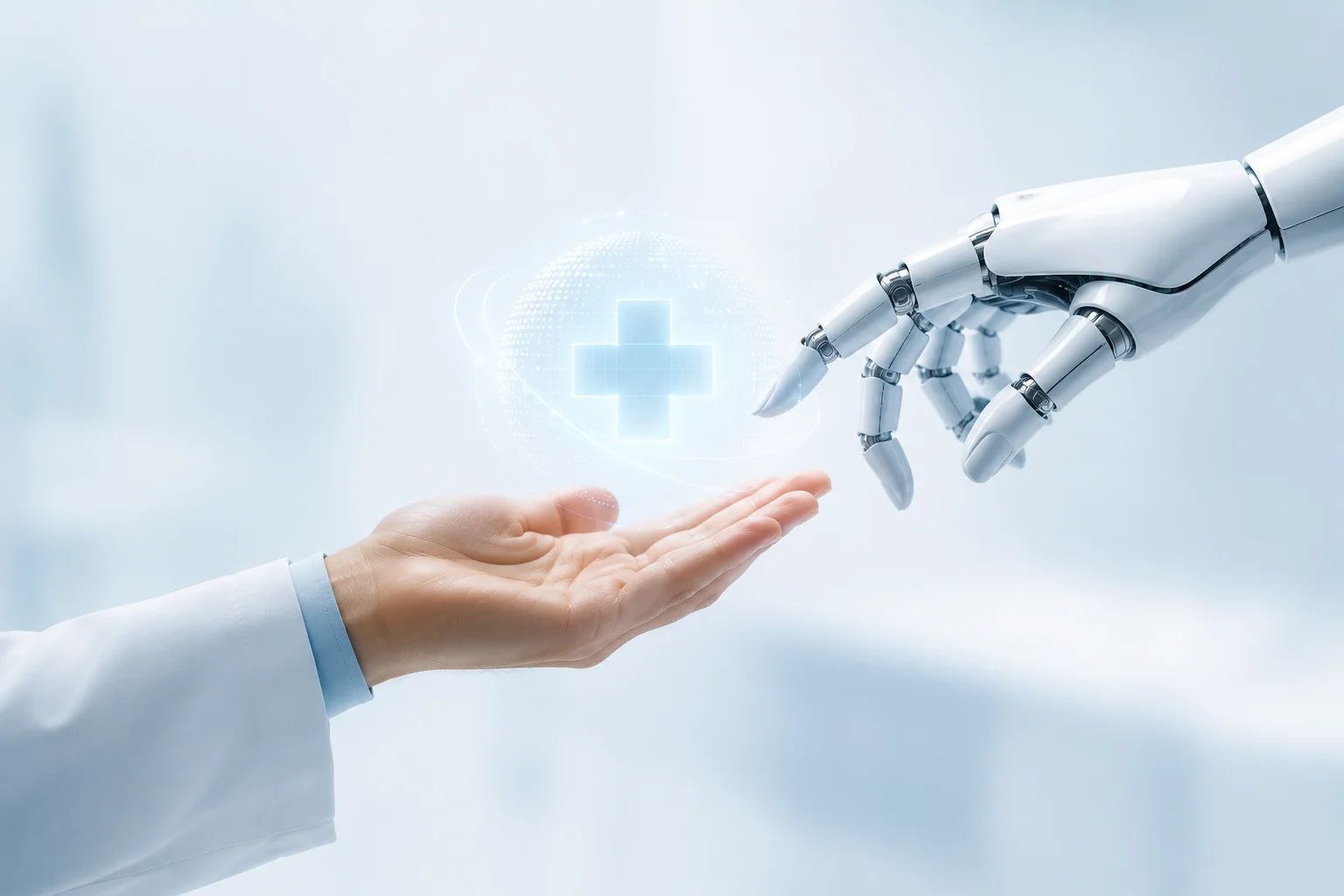
How AI Is Transforming Healthcare in Dubai and the UAE in 2026
Artificial intelligence in healthcare is rapidly transforming the medical industry across Dubai, Abu Dhabi, and the wider UAE. Hospitals, clinics, diagnostic centers, healthcare startups, and medical technology companies are increasingly adopting AI healthcare solutions to improve patient care, automate operations, reduce costs, and enhance healthcare decision-making. As healthcare providers search for smarter and more efficient systems, AI in healthcare has become one of the fastest-growing sectors within the UAE medical industry in 2026.
Dubai has positioned itself as a global leader in healthcare innovation and digital transformation, creating strong demand for AI-powered healthcare technology across both public and private healthcare sectors. From AI diagnostics and medical imaging analysis to telemedicine platforms and predictive healthcare systems, artificial intelligence is changing how healthcare businesses operate throughout the UAE. Healthcare investors and medical entrepreneurs are now heavily investing in AI healthcare startups and smart healthcare technologies to remain competitive in the evolving digital healthcare market.
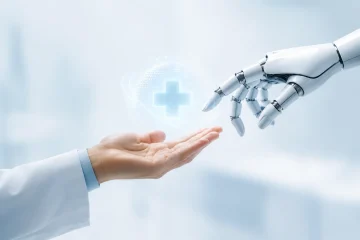
“AI empowers doctors, not replaces them.”
Grand Rounds
One of the biggest impacts of artificial intelligence in healthcare can be seen in medical diagnostics and imaging. AI-powered diagnostic systems are helping radiologists, doctors, and healthcare professionals analyze medical scans faster and more accurately than traditional methods alone. Hospitals and diagnostic centers in Dubai increasingly use AI systems for X-ray analysis, MRI interpretation, CT scan evaluation, cancer detection, and disease prediction. These technologies help reduce human error, improve diagnostic speed, and support better patient outcomes across healthcare facilities in the UAE.
AI is also transforming patient management and healthcare operations. Modern clinics and hospitals now use AI-powered appointment systems, virtual assistants, automated patient communication tools, and healthcare chatbots to improve patient experiences and reduce administrative workloads. Many healthcare providers in Dubai are integrating AI into electronic medical record systems, healthcare scheduling platforms, and insurance claim processing systems to increase operational efficiency and streamline healthcare workflows.
Telemedicine has become another major area of AI healthcare growth within the UAE. AI-powered telehealth platforms allow healthcare providers to offer remote consultations, patient monitoring, symptom analysis, and digital healthcare support more efficiently. Patients increasingly prefer virtual healthcare services due to convenience, faster access to doctors, and reduced clinic waiting times. As a result, telemedicine platforms and AI healthcare applications continue to expand rapidly across Dubai’s healthcare ecosystem.
Predictive healthcare analytics is becoming one of the most valuable uses of artificial intelligence within hospitals and healthcare organizations. AI systems can analyze patient data, healthcare trends, medical histories, and treatment outcomes to help predict diseases, identify health risks, and improve preventive healthcare strategies. Healthcare providers in the UAE are increasingly investing in predictive analytics technologies to improve population health management and deliver more personalized healthcare services.
Artificial intelligence is also reshaping healthcare recruitment and workforce management. Hospitals and healthcare companies now use AI-powered recruitment systems to screen healthcare candidates, automate hiring processes, and identify qualified healthcare professionals more efficiently. Healthcare staffing shortages across the UAE have pushed clinics and hospitals to adopt digital recruitment technologies that help accelerate hiring while improving recruitment accuracy.
The UAE aesthetic medicine industry has also embraced AI healthcare technologies rapidly. Aesthetic clinics and dermatology centers now use AI-powered skin analysis systems, facial imaging technologies, personalized treatment planning software, and smart consultation tools to improve cosmetic healthcare services. AI in aesthetic medicine helps clinics deliver more precise treatments while improving patient engagement and treatment planning within Dubai’s highly competitive cosmetic healthcare market.
Despite the rapid growth of AI in healthcare, data privacy and healthcare cybersecurity remain critical concerns for healthcare providers across the UAE. Hospitals and clinics handling patient data must ensure compliance with healthcare regulations, cybersecurity standards, and data protection laws while implementing AI technologies. Healthcare organizations increasingly invest in secure healthcare infrastructure and cybersecurity systems to protect patient information and maintain healthcare compliance.
Healthcare startups focused on AI solutions are attracting significant investment throughout Dubai and the GCC region. Investors recognize that AI healthcare technology has the potential to transform diagnostics, hospital management, preventive healthcare, telemedicine, and patient experiences over the next decade. Dubai’s focus on innovation and smart city development continues to create strong opportunities for healthcare entrepreneurs building AI-driven healthcare businesses in the UAE.
As artificial intelligence continues evolving, its role within healthcare will become even more important across hospitals, clinics, laboratories, pharmacies, and healthcare service providers. Clinics that adopt AI healthcare technologies early will likely gain major advantages in operational efficiency, patient satisfaction, healthcare automation, and digital healthcare competitiveness. The future of healthcare in Dubai is increasingly connected to AI innovation, smart healthcare infrastructure, and advanced medical technology that improves both patient care and healthcare business performance.